An Educational Resource for Transfusion Medicine

Featured


RESOLVING A CASE WITH RHD DISCREPANCY IN THE ERA OF BIOTHERAPIES

It is common knowledge that hematologic malignancies may lead to ABO discrepancies.1 In fact, case reports highlight that when a patient with hematologic malignancy shows relapse of disease after a bone marrow transplant, ABO discrepancy may be the first sign of graft failure.2 RHD discrepancy, on the other hand, is rarely associated with such conditions,3,4 and instead it is often a result of a variant antigen expression. A case we followed recently at our institution challenged this presumption. 

Articles

  • New Information on Blood Donation

    Blood donors are the foundation of the blood supply. A session at the AABB Annual Meeting in October 2025 featured abstracts highlighting new information on donors and donation patterns.1  Emily Coberly, MD, of the American Red Cross (ARC) presented the results of a 2024-2025 AABB Transfusion Medicine Subsection survey of directed blood donation practices in the US and Canada. The respondents were grouped into hospitals without donor collection (82%),

    READ MORE

  • Practical Guidance for Prehospital Transfusion by Emergency Medical Services

    The rapid expansion to 46 U.S. states underscores the growing acceptance of prehospital transfusion by Emergency Medical Services (EMS) as a lifesaving intervention, though implementation is heterogeneous across jurisdictions and dependent on medical oversight, logistics, and reimbursement. PLUS is highlighting two articles this month, beginning with a review by Levy et al 1 of the

    READ MORE

  • What Are CAR-T Cells and What Is the American Red Cross Doing About Them?

    T-cells play a pivotal role in the immune system’s response to cancer. Unlike B-cells which make antibodies, T-cells act directly in a cell-to-cell fashion. CAR-T stands for chimeric antigen receptor T-cells. The word “chimeric” means having parts from two or more origins. To accomplish this, T-cells are collected from the blood of a patient or

    READ MORE

  • Cold-Stored Platelets and Room Temperature Platelets

    With the introduction of cold-stored platelets (CSP) into practice, transfusion services have encountered challenges in interpreting FDA guidance. The FDA indicates that CSP may be used to treat active bleeding when conventional platelets—room temperature platelets (RTP)—are unavailable or impractical to use.1 In addition, the FDA requires transfusion services to develop standard operating procedures (SOPs) that

    READ MORE


About

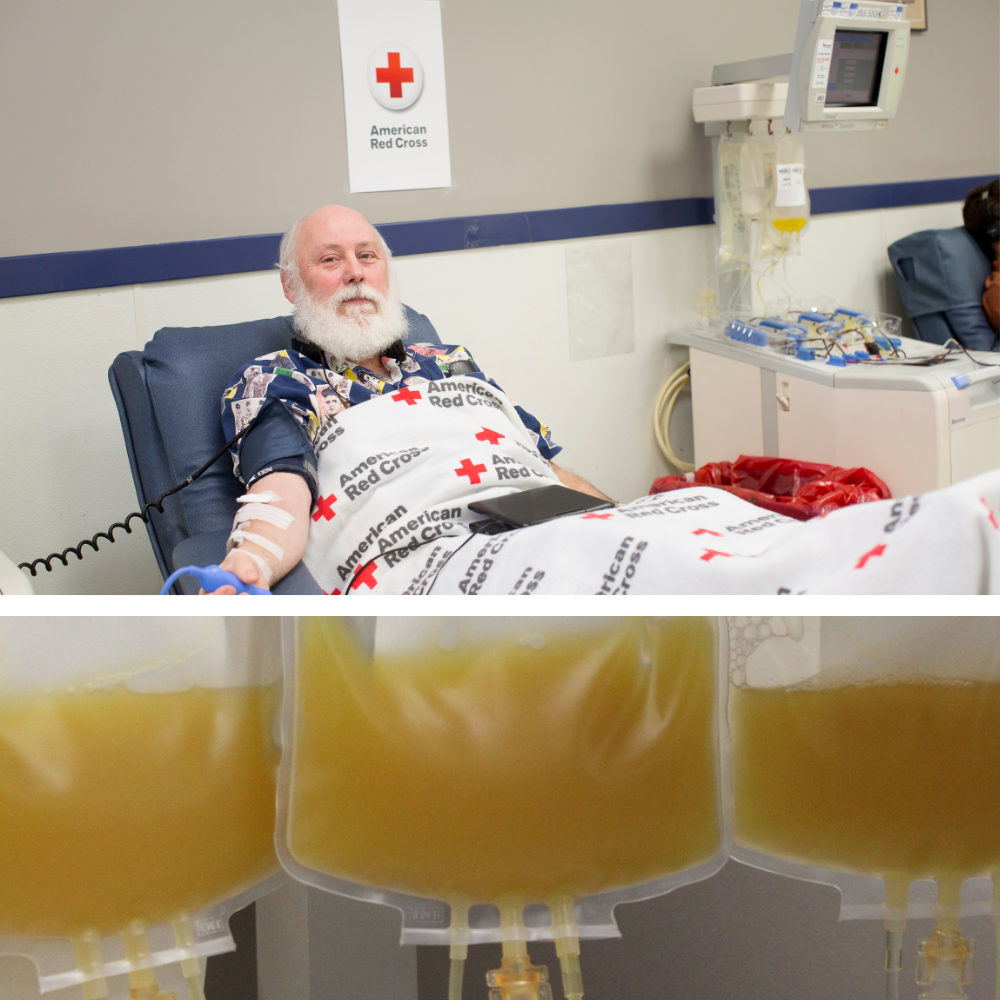
Published by the American Red Cross, Plus Online features leading research and trending topics related to transfusion medicine. By promoting innovation within the field and leveraging the insight from our authors and thought leaders, we provide a resource that helps you continue your education and support best patient care.